





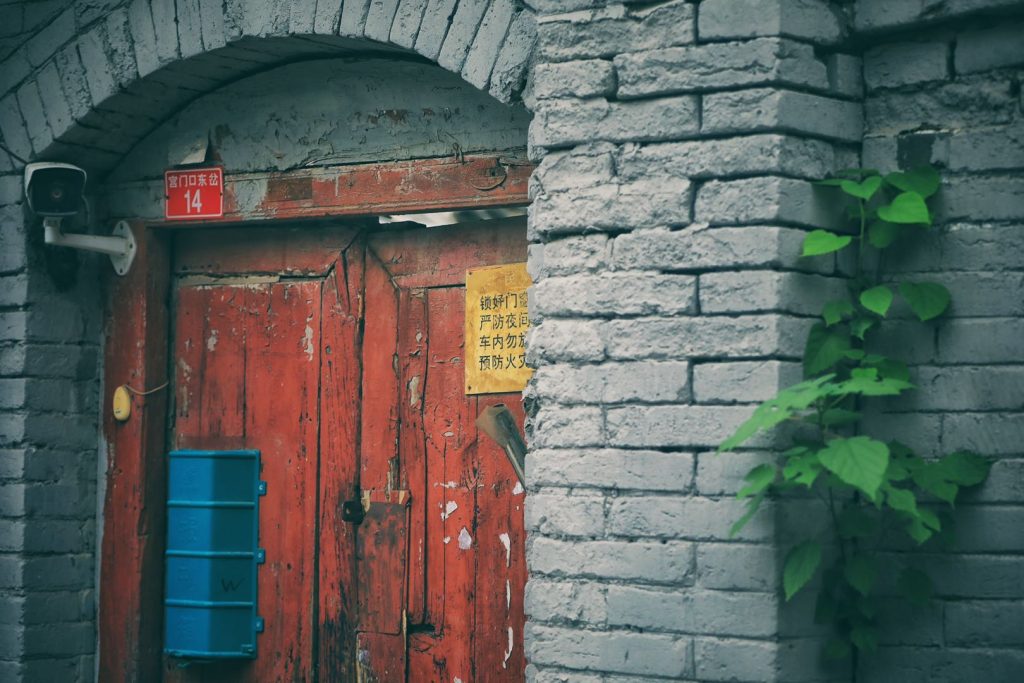
The hutong, Beijing’s defining network of residential lanes, holds more history per alleyway than almost anywhere else in China. Behind these grey courtyard walls lived people who shaped the country: an empress who learned English before entering the Forbidden City, a writer who named his yard after its persimmon trees, a doctor who stopped a deadly plague, and an architect who gave the city its most lasting concept. Walk slowly through any hutong in Beijing, and the past still speaks through the brickwork.
- Beijing’s hutongs Were home to the last empress, pioneering writers, a plague-fighting physician, and the architects who preserved the city’s heritage
- Maoer Hutong (帽儿胡同) 35–37 was the childhood home of Wanrong (婉容), who married the last emperor Puyi in 1922 at age 16
- Dongdangzi Hutong (东堂子胡同) 75 is where Cai Yuanpei lived while planning the May 4th Movement of 1919
- Several of the hutong residences are now open museums, including Lao She’s courtyard and the Mei Lanfang Memorial. Check our guide to the best hutongs in Beijing for planning tips
- Liang Sicheng, who lived in Bei Zongbu Hutong (北总布胡同), coined the term 中轴线 (central axis); Beijing’s axis became a UNESCO World Heritage site in 2024
The Last Empress: Maoer Hutong, Beijing
Of all the stories hidden in the hutongs, Beijing’s Maoer Hutong (帽儿胡同) 35–37 carries perhaps the greatest weight of history. This courtyard was the childhood home of Wanrong (婉容), born in 1906, who became China’s last empress when she married Puyi in 1922.
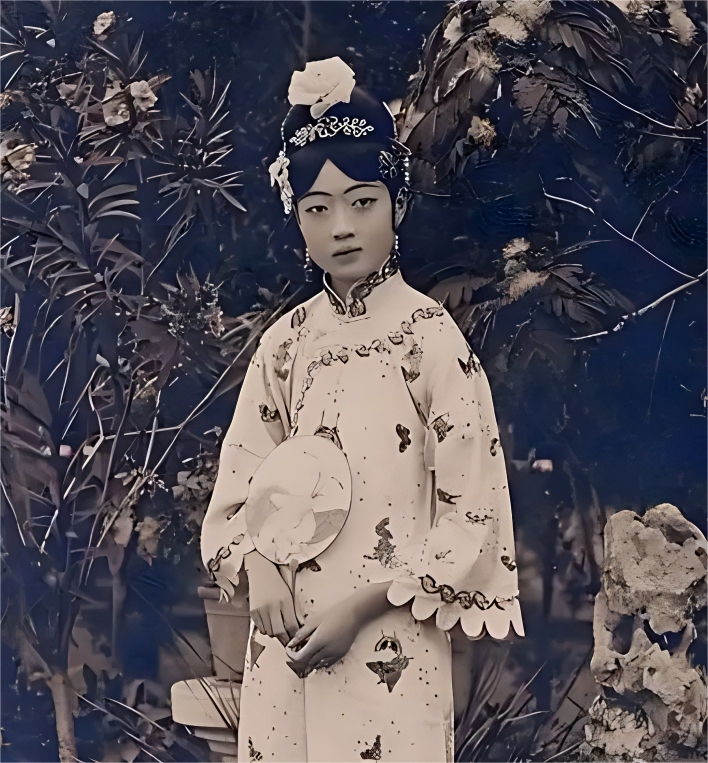
The residence was originally built by Wanrong’s great-grandfather, Guobulo Changshun, as a standard official’s compound. It featured a hard-ridge grey tile roof, typical of Beijing bureaucratic style. When imperial selectors chose 16-year-old Wanrong as empress, the Qing court elevated the house from an ordinary official’s home to the 承恩公府 (Duke of Grace’s Mansion), the title reserved for an empress’s family under Qing imperial tradition.
Even with the Qing treasury stretched thin, the interior gained remarkable upgrades. The main reception room featured a floor-to-ceiling floral screen with phoenix and peony carvings, likely retrieved from palace stores. Craftsmen added a wall panel of seven oval glass mirrors and a full wall of mercury-brick mirror glass to the side rooms. These details survive today, dulled by time, inside what is now a crowded residential compound.
Wanrong’s father, Rongyuan, was a progressive man for his era. He hired an English tutor alongside classical teachers, giving her exposure to both Chinese and Western learning. Then, in 1922, Wanrong left this courtyard dressed in full imperial regalia and entered the Forbidden City. Two years later, in 1924, the warlord Feng Yuxiang expelled Puyi and his household from the palace, and Wanrong’s hutong childhood fell irreversibly into the past.
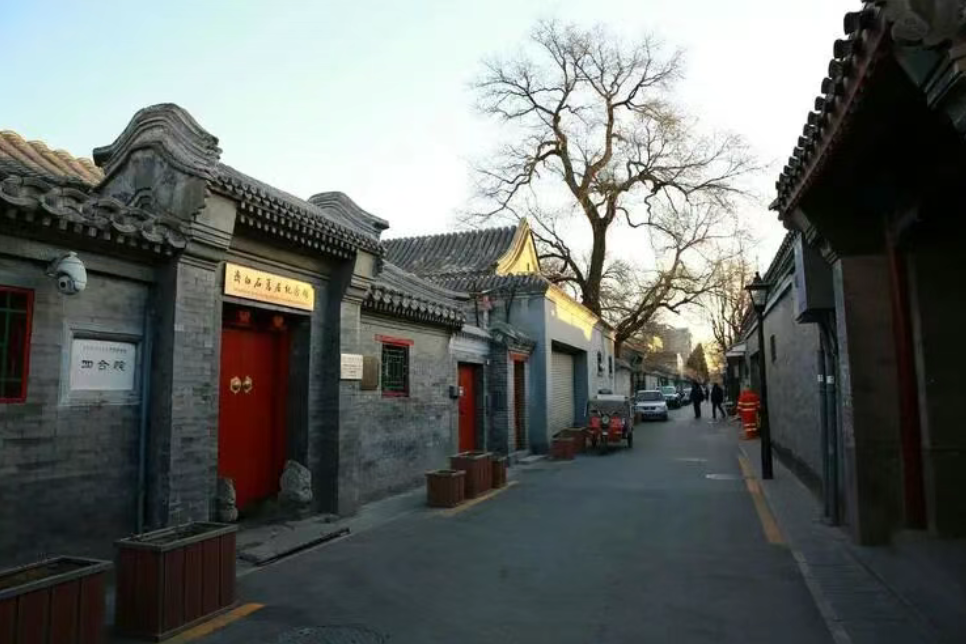
Just steps away, Maoer Hutong 11 was the residence of Feng Guozhang (冯国璋), who served as President of the Republic of China from 1917 to 1918. A single hutong, two political worlds, and the collapse of a dynasty.
Scholars and Scientists: Dongdangzi Hutong, Beijing
East of the Imperial City, Dongdangzi Hutong (东堂子胡同) drew a cluster of intellectuals whose work shaped modern China. The street ranks among the best-preserved hutongs in Beijing, and its former residents help explain why it holds that distinction so quietly.
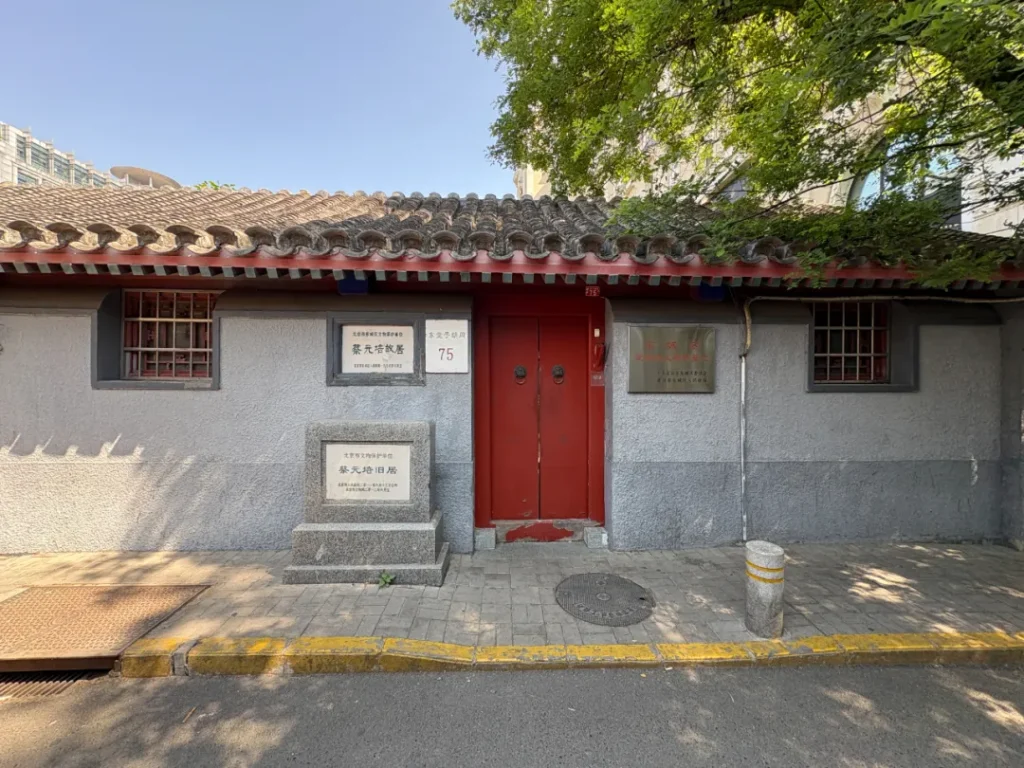
At No.75, Cai Yuanpei (蔡元培) rented rooms from 1917 to 1923 while serving as President of Peking University. During those years, he helped plan the May 4th Movement of 1919, one of the defining moments of Chinese history. The protest shaped the entire subsequent century. Cai stood apart from other famous hutong residents in one respect: he never owned property. He rented throughout his career and died in Hong Kong in 1940. He left no property on the mainland.
A few doors away at No.55, the physician Wu Lien-teh (伍连德) once lived. Born to a Cantonese family in British Malaya, Wu became the first person of Chinese descent to receive a medical doctorate the Cambridge University. In December 1910, the government summoned him to Harbin to investigate a pneumonic plague outbreak spreading through northeast China. Wu identified that the disease spread through respiratory droplets, not flea bites. He moved fast. He introduced isolation wards, quarantine zones, disinfection protocols, and the cremation of plague victims’ remains. The outbreak ended in under six months. After his death in 1960, following his wishes, his estate donated the Dongdangzi Hutong 55 property to the Chinese Medical Association.
Writers in Beijing’s Hutong Lanes
Several of China’s most important literary figures chose hutong life and left traces that visitors can still follow today.
Lu Xun: Gongmenkou Second Lane
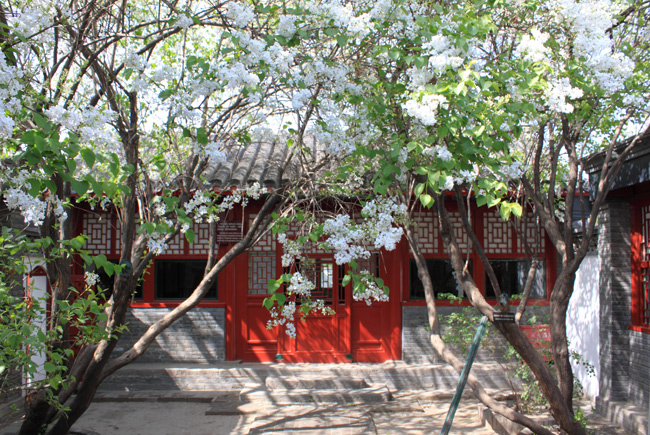
Lu Xun (鲁迅) lived at Gongmenkou Second Lane 19 (宫门口二条19号, Xicheng District) from 1924 to 1926. These were among his most productive years in Beijing. In this courtyard he completed essay collections including Huagai Ji (华盖集) and Ye Cao (野草). He also contributed major sections to Pang Huang (彷徨), Fen (坟), and Zhao Hua Xi Shi (朝花夕拾). The opening lines of his essay “Autumn Night” describe two jujube trees in his rear courtyard. That observation became one of the most quoted passages in modern Chinese literature.
Lao She: Fengfu Hutong
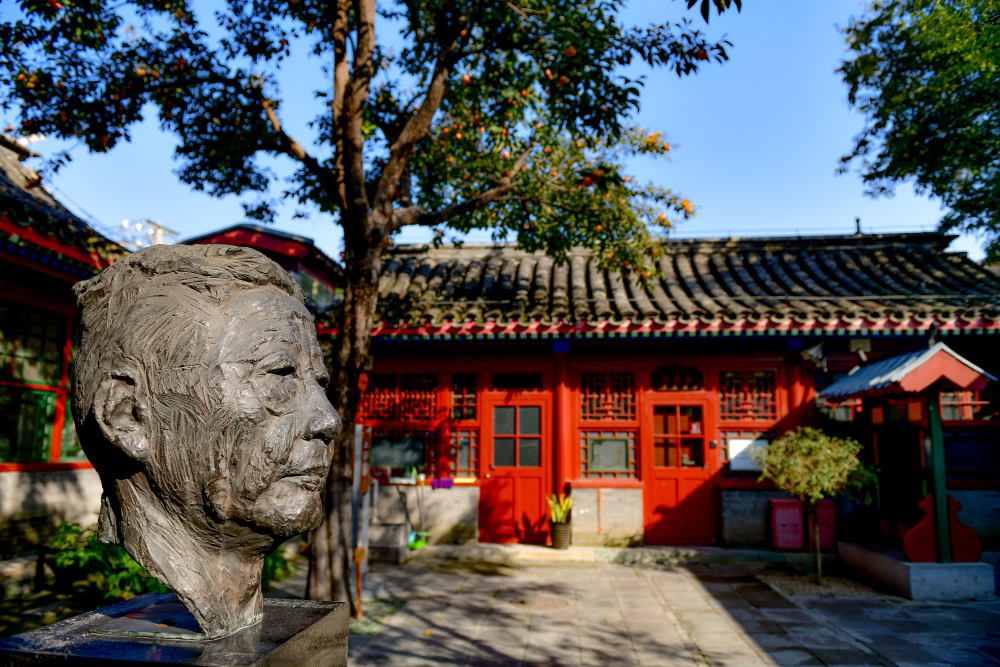
Lao She (老舍) lived at ten different Beijing addresses over his lifetime, but he stayed longest at Fengfu Hutong 19 (丰富胡同19号, Dongcheng District), where he stayed until his death. He named the small courtyard 丹柿小院 (Cinnabar Persimmon Courtyard) because every autumn the persimmon trees filled the yard with golden fruit. The house is now a museum open to visitors.
Mao Dun: Hou Yuan’ensi Hutong
Mao Dun (茅盾), China’s first Minister of Culture after 1949, spent his final years at Hou Yuan’ensi Hutong 13 (后圆恩寺胡同13号, Dongcheng District). Behind the main courtyard stands a two-story study he designed himself in 1934. He built it using royalties from his novel Zi Ye (子夜, Midnight). He planted bamboo and palms in the garden by hand. Both the residence and the study now form a memorial museum open to the public.
Artists and Performers
Mei Lanfang: Huguo Temple Street
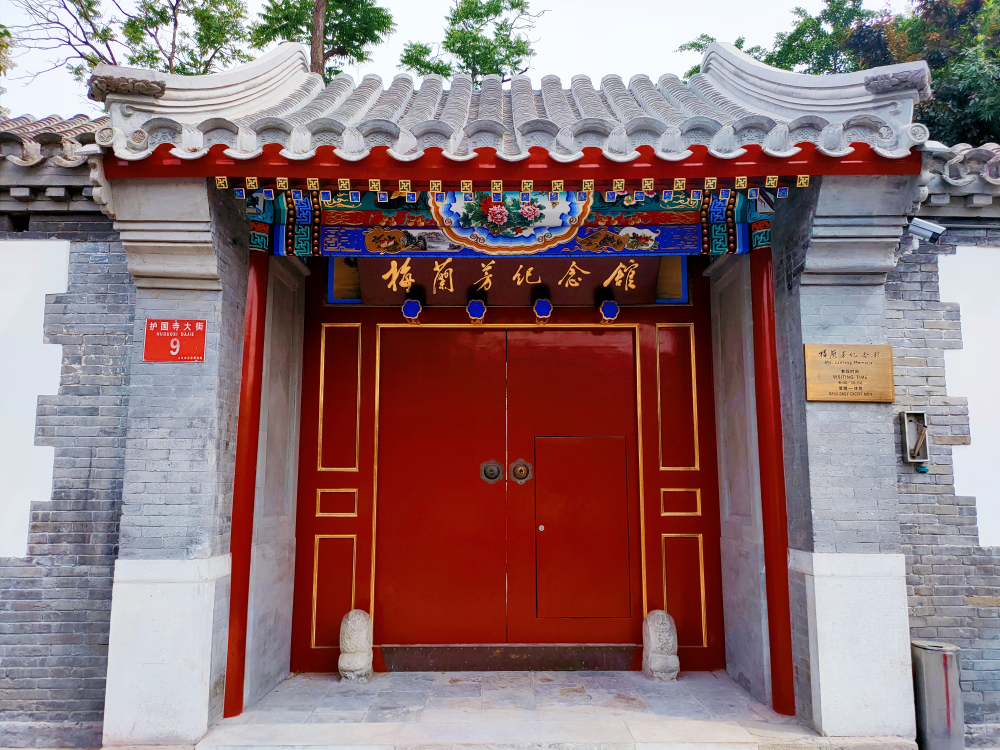
At Huguo Temple Street 9 (护国寺9号, Xicheng District), the Peking Opera master Mei Lanfang (梅兰芳) spent the last ten years of his life, from 1951 until his death in 1961. The courtyard covers 716 square metres and originally formed part of a residence belonging to Prince Qing of the Qing Dynasty (庆亲王). The compound is now the Mei Lanfang Memorial Museum (梅兰芳纪念馆). The reception room, study, bedroom, and sitting room all preserve their original arrangement from his lifetime.
Qi Baishi: Kuache Hutong
The painter Qi Baishi (齐白石) first came to Beijing in 1919 and eventually lived at more than a dozen addresses across the city. He chose to stay longest at Kuache Hutong 15 (跨车胡同15号) because he valued its quietness. He called the space 白石画屋 (White Stone Painting Studio). In a poem he wrote there, titled Self-Mockery, he described working with his brush like a farmer at a plough. The courtyard now stands isolated among modern residential towers.
The Architects Who Shaped Beijing’s Hutong Heritage
The demolished compound at Bei Zongbu Hutong 24 (北总布胡同24号) once housed Liang Sicheng (梁思成) and Lin Huiyin (林徽因), two of the most consequential figures in Chinese architectural history. Read more in our overview of Beijing hutong history.
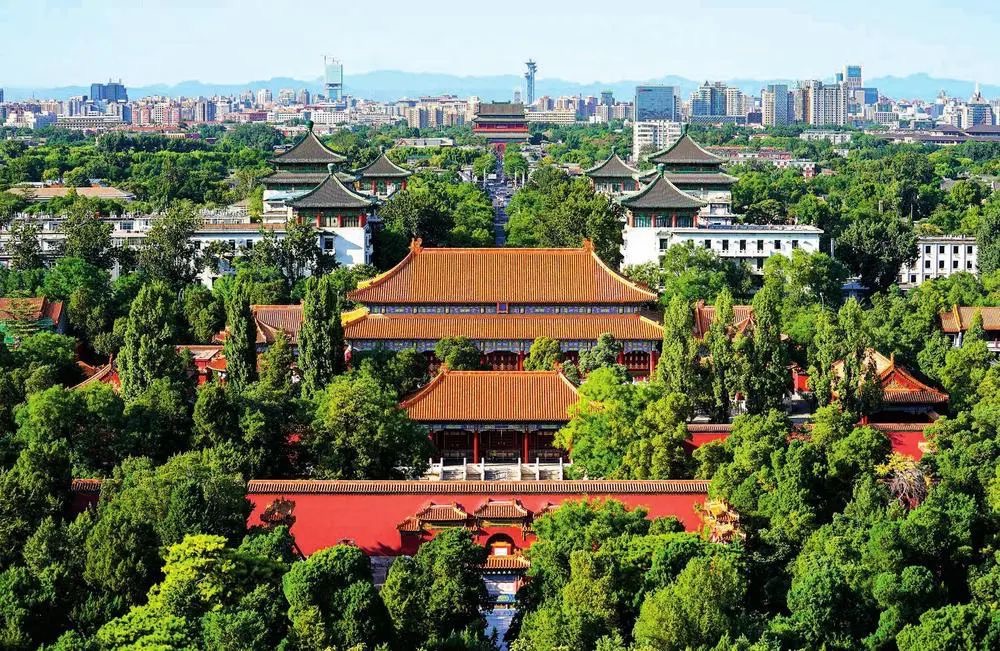
In 1944, Liang Sicheng became the first person to formally use the term 中轴线 (central axis) to describe the north-south organisational spine of Beijing’s historic urban plan. In a 1951 essay, he wrote: “A south-north axis, eight kilometres long, the longest and greatest in the world, runs through the entire city.” The concept he named in a hutong courtyard became a UNESCO World Heritage status on 27 July 2024. UNESCO titled it “Beijing Central Axis: A Masterpiece of the Ideal Capital City.”
Before the People’s Liberation Army entered Beijing in 1949, Mao Zedong and Zhou Enlai instructed their staff to consult Liang and Lin on which sites required urgent protection. Liang’s first entry on the protection list was simply “all of Beijing,” which he described as “the most complete and greatest medieval capital still standing in the world.”
Zhu Qiqian (朱启钤) lived at Zhao Tangzi Hutong 3 (赵堂子胡同3号). In 1929, he founded the Society for the Study of Chinese Architecture (中国营造学社). He assembled a research group with Liang Sicheng, Wang Shixiang (王世襄), and Luo Zhewen (罗哲文). Together they created China’s first systematic effort to document historical buildings. Earlier in his career, Zhu opened Beijing’s first public park (今中山公园) and overhauled the road network. He also supervised the renovation of the Arrow Tower (箭楼). Premier Zhou Enlai visited him personally twice in his final years.
FAQ
Can visitors enter Beijing’s famous historic hutong residences?
Several hutong, Beijing’s historic residential sites, are open as museums. Lao She’s courtyard at Fengfu Hutong 19 and Mao Dun’s residence at Hou Yuan’ensi Hutong 13 both receive visitors. The Mei Lanfang Memorial Museum at Huguo Temple Street 9 is regularly open. Wanrong’s childhood home at Maoer Hutong 35–37 is a private compound, so visitors can view the exterior from the street but cannot enter.
Who was Wanrong (婉容) and why does her hutong matter?
Wanrong (1906–1946) was China’s last empress, chosen at age 16 to marry the final Qing emperor Puyi in 1922. Her childhood home at Maoer Hutong 35–37 carried imperial-ranked status when she became empress, with ornate interior fittings including carved phoenix screens and mirrored walls. The residence is one of the most tangible surviving links to the end of the Qing dynasty within a still-inhabited hutong neighbourhood.
How did Beijing’s hutongs become places where so many cultural figures lived?
During the late Qing and Republican eras, inner-city hutongs offered affordable housing near government offices, universities, and cultural institutions. Writers, reformers, artists, and officials gravitated naturally to the same districts. The density of neighbours across courtyard walls created ideal conditions for intellectual exchange. That concentration helps explain why central Beijing’s hutongs produced such an outsized share of modern Chinese cultural history.
Is it possible to walk between several famous residences in a single day?
Yes, many of the most significant sites cluster in a walkable area of Dongcheng and Xicheng districts. Maoer Hutong, Hou Yuan’ensi Hutong, and Dongdangzi Hutong all sit within the broader South Drum Tower and Nanluoguxiang area. Huguo Temple Street and Fengfu Hutong lie further west but remain reachable on foot or by metro. See our Beijing hutong itinerary for a ready-made walking route.
What is the Beijing Central Axis (中轴线) and how does it connect to hutong history?
The central axis is the 7.8-kilometre north-south line organising Beijing’s urban layout since the Yuan dynasty, running from the Drum Tower to the Yongding Gate through the Forbidden City. Architect Liang Sicheng coined the term in 1944 while living in Bei Zongbu Hutong. UNESCO inscribed the Central Axis as a World Heritage site in July 2024. Planners laid out the hutong grid of central Beijing in direct relation to this spine, which is why the lanes run in such consistent perpendicular patterns.
Have questions about visiting? Email us at hello@jollyeast.com and we’ll get back to you within 24 hours.