







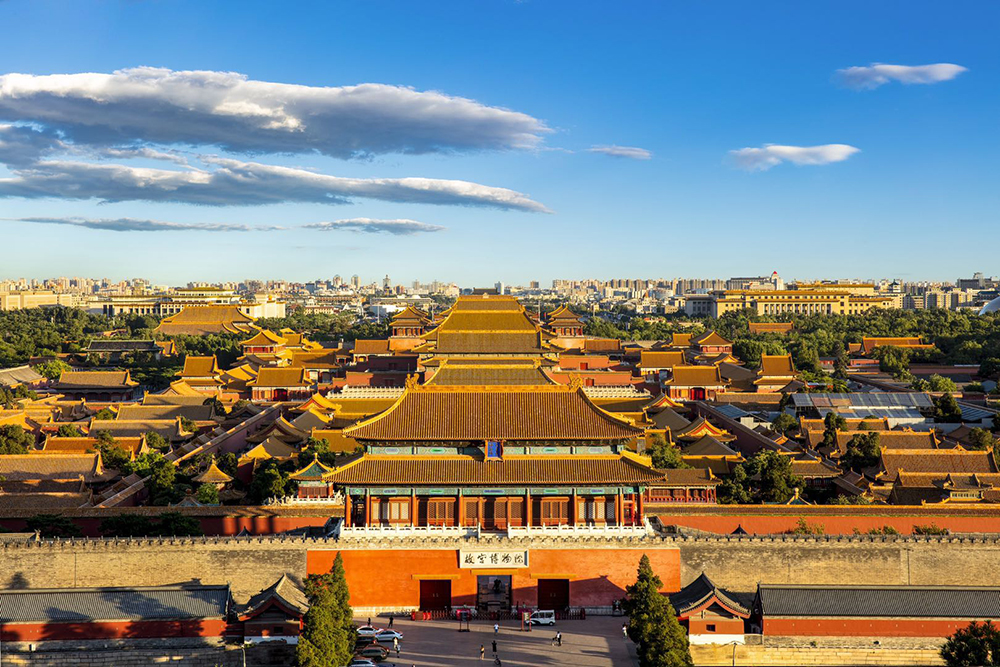
The legend claims 9,999 and a half rooms, while surveys show a smaller number. The actual count of rooms in the Forbidden City depends on how “room” is defined—and whether you believe a legend about an emperor’s dream.
The short answer is 9,371. Here’s why this number is more fascinating than it seems at first glance.
Quick Summary
- The most authoritative count, from a 2012 survey led by the Palace Museum, is 9,371 rooms
- A 1973 government survey counted 8,707 rooms — the difference stems from how “room” is defined
- The famous “9,999.5” figure is symbolic, not a real measurement
- There really is a half room, in Wenyuan Pavilion
- Visitors can access roughly 60% of the complex during a standard visit
The Real Number: 9,371 Rooms
In 2012, Palace Museum director Shan Jixiang led a comprehensive architectural survey of the entire complex. The result: 9,371 rooms.
An earlier government survey from 1973 counted 8,707 rooms. Both figures are genuine counts by professionals with full access to the complex. The gap between them comes from methodology, specifically from how each team handled small service spaces, corridor sections, and partially enclosed areas. A stairwell alcove counts differently depending on the criteria.
Neither number is incorrect: the 2012 survey is more recent and detailed, and 9,371 is the figure the Palace Museum currently uses.
Why 9,999.5? The Story Behind the Legend
The most famous number associated with the Forbidden City is neither 9,371 nor 8,707—it’s 9,999.5.
The legend runs like this: Emperor Yongle, when he planned the construction in 1406, intended to build 10,000 rooms, matching what people believed to be the number of rooms in the Jade Emperor’s heavenly palace. One night, he dreamed that the Jade Emperor summoned him and demanded to know why he was building a palace the same size as Heaven’s. Yongle promised to build slightly fewer.
So he built 9,999 rooms. And then added half a room, to come as close as possible to the divine count without actually reaching it.
Whether or not this actually happened, the logic reflects something true about the palace’s design. The number 9 appears throughout: nine rows of nine gold studs on each major gate panel, nine ridgeline animal figurines on the Hall of Supreme Harmony’s roof, and proportions calibrated throughout to exploit 9’s symbolic weight as the largest single digit, associated with the emperor’s title of “Nine-Five Supremacy” [九五之尊].
What Actually Counts as a “Room”?
Here is the core of the counting problem: in ancient Chinese architecture, one “room” [间, jiān] is the space enclosed by four structural columns. This is not a room in any modern sense. It is a structural unit.
So the Hall of Supreme Harmony, the largest building in the complex, contains 55 rooms by this definition, because 72 columns arranged in a grid support it. A narrow corridor section with four pillars counts as one room. A small closet or service alcove counts as one room. A space used only for a staircase can count as half a room, if it occupies only half a structural bay.
The size of these “rooms” ranges from a few square meters to spaces large enough for a full state ceremony. That range is part of why surveys conducted decades apart produce different totals.
Where Is the Famous Half Room?
Two locations appear in the historical and architectural literature.
Wenyuan Pavilion [文渊阁] is the most widely accepted answer. At the western end of the pavilion’s ground floor sits a narrow space containing only a staircase, measuring roughly half the span of a standard structural bay. This is the most commonly cited location and the one the palace’s own documentation tends to reference.
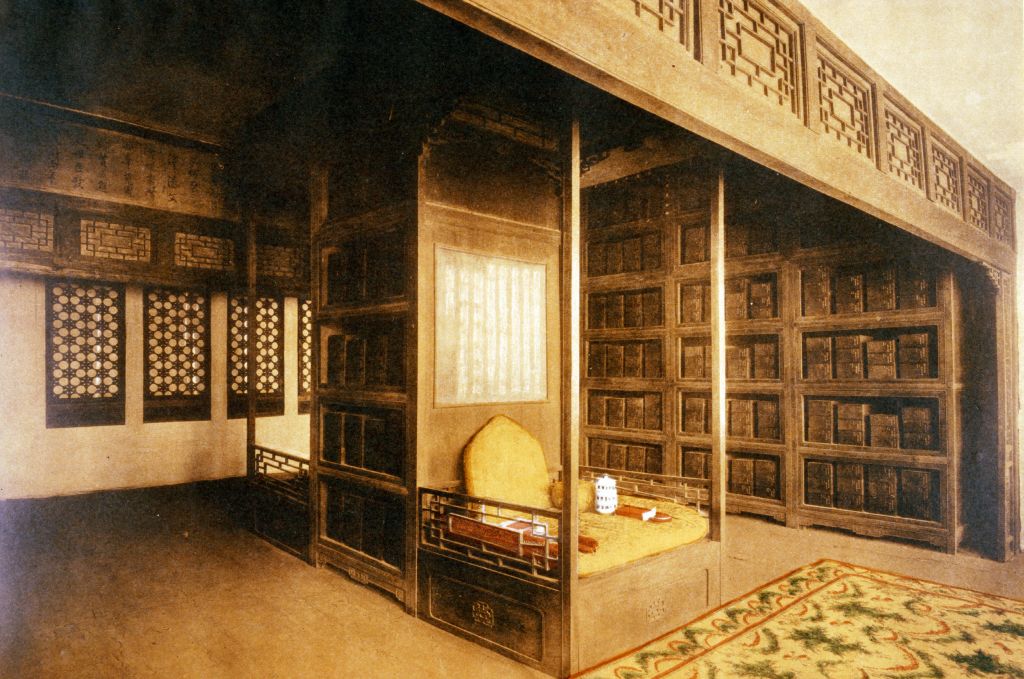
Yizhai, in the Qianlong Garden [乾隆花园怡斋], appears in some architectural surveys as an alternative candidate, based on a structural anomaly in the private garden the Qianlong Emperor built within the inner court. Less commonly cited, but worth knowing.
If you want to find the half room on your visit: Wenyuan Pavilion sits on the eastern side of the outer court, north of the Gate of Literary Brilliance. The exterior is accessible from the courtyard, even when the interior is not open for general admission.
How Many Rooms Can You Actually Visit?
Most of the 9,371 rooms are not open to visitors during a standard visit. Since opening to the public in 1925, the palace has gradually opened more sections, but significant areas remain restricted for conservation, storage, or administrative purposes.
Current estimates suggest visitors can access roughly 60% of the total complex. That said, 60% of 9,371 still represents an enormous amount of ground. The main north-south axis alone runs approximately 960 meters from the Meridian Gate to the imperial garden.
A thorough visit covering the main ceremonial halls, the inner court, and the imperial garden takes three to four hours. Adding the Treasure Gallery and Clock Museum fills a comfortable full day. Even then, interior courtyards and smaller palace buildings that most visitors never reach are everywhere.
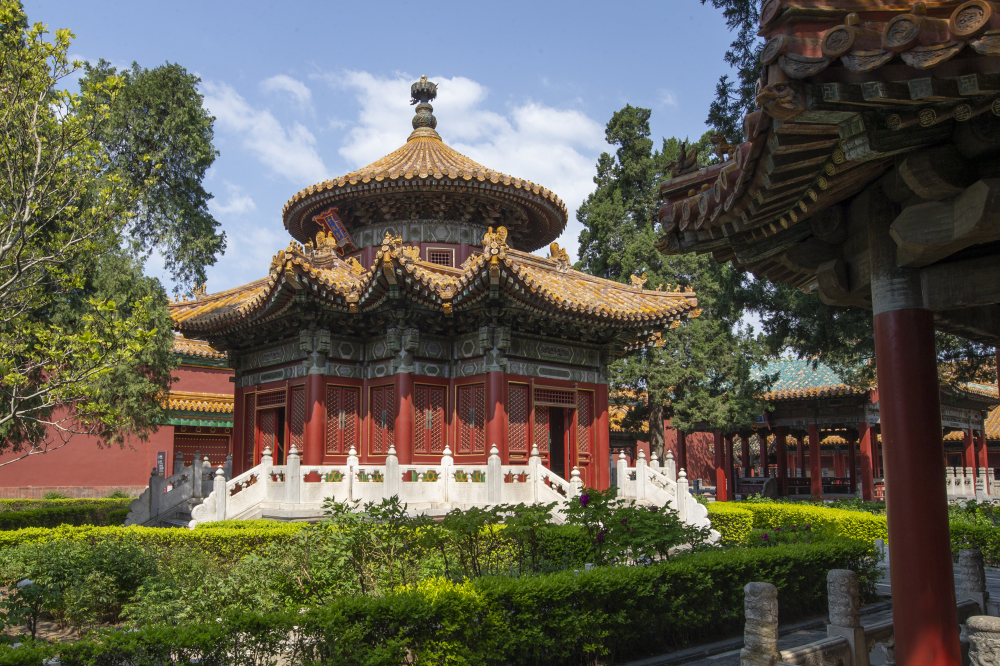
The imperial garden at the northern end is among the most rewarding sections: ancient cypress trees filter the light into shifting columns, and the Taihu stone [太湖石] formations, eroded by thousands of years of water into porous and perforated shapes, stand in striking contrast to the strict geometry everywhere else in the palace.
The Scale in Perspective
For a comparison: the Palace of Versailles, often cited as Europe’s grandest royal residence, contains approximately 2,300 rooms in the main palace building. Buckingham Palace has 775 rooms. The White House has 132.
The Forbidden City has 9,371.
Even the lower 1973 count of 8,707 rooms makes it the largest palace complex by room count anywhere in the world. If you spent five minutes in each room and visited ten hours a day, you would need roughly 29 days to see every room—most visitors only have one day.
FAQ
How many rooms are in the Forbidden City?
The most accurate modern figure is 9,371 rooms, from a detailed survey by Palace Museum director Shan Jixiang in 2012. An earlier 1973 government survey counted 8,707.
Why do people say the Forbidden City has 9,999 and a half rooms?
The 9,999.5 figure comes from a legend about Emperor Yongle, who allegedly designed the palace to contain exactly one room fewer than the 10,000 believed to exist in the Jade Emperor’s heavenly palace.
Where is the half room in the Forbidden City?
The most widely accepted location is the western end of Wenyuan Pavilion [文渊阁]. A second candidate in the Qianlong Garden appears in some architectural surveys, but Wenyuan Pavilion is the more commonly cited and accepted answer.
How big is the Forbidden City compared to other palaces?
The Forbidden City covers approximately 720,000 square meters and contains 9,371 rooms. The Palace of Versailles contains roughly 2,300 rooms in its main building. Buckingham Palace has 775. By either measure, the Forbidden City sits in a different category from any other surviving royal residence.
How long does it take to walk through the Forbidden City?
Most visitors spend four to six hours covering the main axis, the inner court palaces, and the imperial garden. Adding the Treasure Gallery and Clock Museum extends the visit to a comfortable full day. Allow more time than you think you need.
For the full visitor guide and current exhibition listings, see the Palace Museum’s official website.
Have questions about visiting? Email hello@jollyeast.com and we’ll get back to you within 24 hours. The experts here at JollyEast are more than happy to help!