





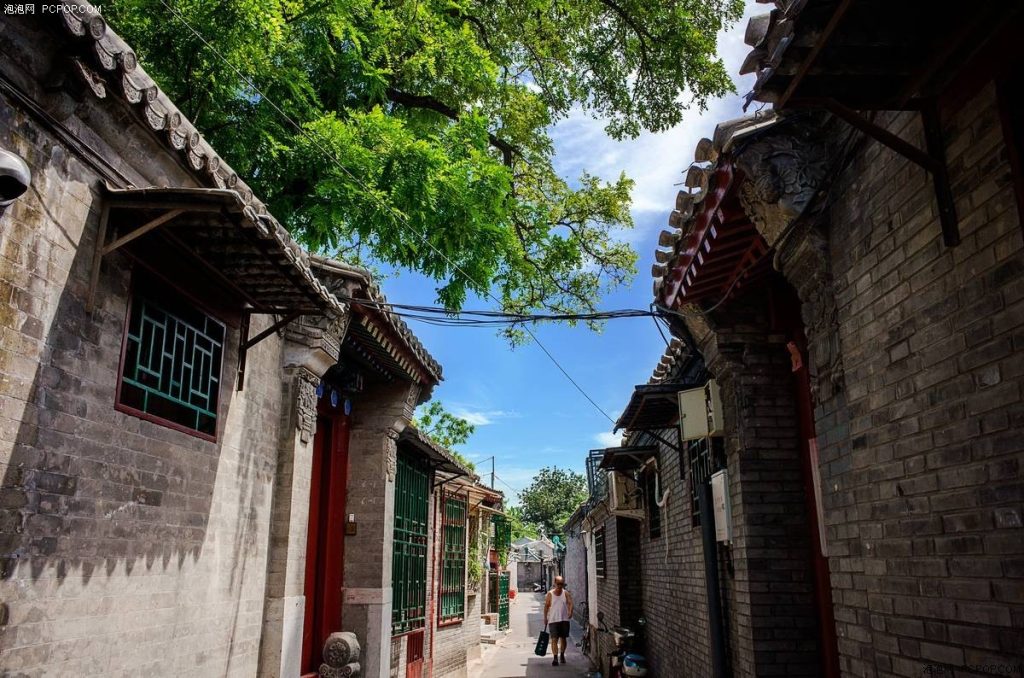
Nanluoguxiang gets the crowds. It earns them, too — the Yuan-dynasty grid, the side alleys, the energy. However, Beijing has dozens of hutong neighbourhoods, and the best hutongs in Beijing are not always the most visited ones. Some are quieter. Some are stranger. Others are so completely themselves that walking in feels like arriving somewhere not made for you.
Quick Summary
The six best hutong neighbourhoods beyond Nanluoguxiang are: Shichahai (lakeside atmosphere), Wudaoying (independent shops and craft beer), Guozijian Street (imperial academy and scholar trees), Yangmeizhu Xiejie (books and creative culture), Maoer Hutong’s side alleys (Qing architecture), and Dongjiaomin Xiang (colonial-era buildings). All are accessible by Beijing subway.
This guide covers six hutong neighbourhoods. Each entry covers what makes it distinct, what to do there, and when to go. Nanluoguxiang appears here too, but only to point you past it. If you’re new to the hutongs, the fundamentals of Beijing hutong culture — what siheyuan courtyards are, how to read a gate, what the drum-stones mean — will make every neighbourhood below more legible.
What Makes a Hutong Neighbourhood Worth Visiting?
The best hutongs in Beijing share one quality: they have their own reason for existing. A market district, a scholarly street, a lakeside retreat, an artists’ quarter — each hutong neighbourhood grew from a specific social and economic function. Moreover, the best ones still carry traces of that original character even after centuries of change.
By contrast, the worst hutong neighbourhoods have lost that character. They have been rebuilt as stage sets: every grey wall freshly pointed, every courtyard a coffee shop. The six neighbourhoods below all sit somewhere between lived-in and over-restored. Importantly, all of them still have something the stage sets do not: actual residents going about their actual lives.
1. Shichahai (什刹海): Best Hutong Neighbourhood for First-Timers
📍 Quick info: Nearest subway: Beihai North (Line 6, Exit B) · Best for: lakeside walking, imperial history, evening atmosphere · Recommended time: 2–3 hours · Quietest: weekday mornings before 10am
If you have one afternoon in Beijing’s hutongs and no idea where to start, start at Shichahai. Three interconnected lakes — Qianhai, Houhai, and Xihai — sit at the heart of this neighbourhood. It has been Beijing’s most desirable address for over six centuries. The Yuan Dynasty used this area as the northern terminus of the Grand Canal. Subsequently, the Ming and Qing turned it into an aristocratic enclave. Today it manages to be a tourist destination, a residential neighbourhood, and one of the city’s best places to watch an evening arrive slowly.
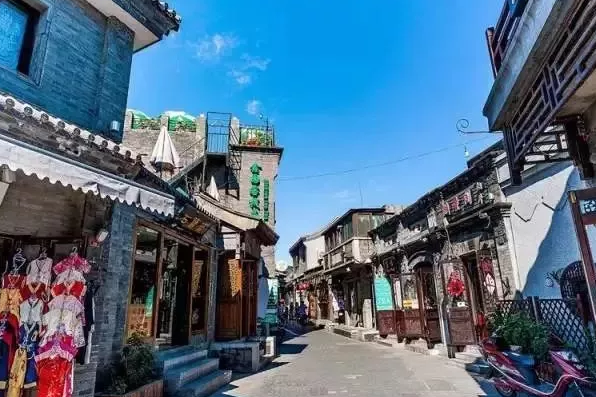
The hutong streets around the lakes — Yandai Xiejie (烟袋斜街), Baimi Xiejie, the lanes running north from Houhai — connect silver shops, antique dealers, and courtyard cafes. Some bars here existed before bars were fashionable in Beijing. Furthermore, the pace here differs from Nanluoguxiang: slower, more lateral, with more places to sit beside the water.
What to Do at Shichahai
Walk the north bank of Houhai in the late afternoon, when the light turns gold on the willows. At that hour, locals set up chess boards along the water’s edge. Additionally, find the Silver Ingot Bridge (银锭桥) — the narrow humpback crossing between Qianhai and Houhai — and look west on a clear day. The view of the Western Hills has appeared in Chinese paintings for five centuries. For more on the area’s imperial history, see the Shichahai historical overview.
2. Nanluoguxiang and Its Eight Side Alleys (南锣鼓巷): Go Past the Main Street
📍 Quick info: Nearest subway: Nanluoguxiang (Line 6, Exit A) · Best for: Yuan-dynasty grid architecture, side-alley exploration · Recommended time: 2 hours · Quietest: weekday before 10am
Nanluoguxiang is not overrated — it genuinely ranks among the best hutongs in Beijing. What is overrated, however, is the main street itself. The 787-metre central lane is lined with snack stalls, souvenir shops, and cafes. The reason Nanluoguxiang matters is its Yuan Dynasty grid — a central spine with eight symmetrical side alleys running east-west. No neighbourhood preserves it more completely.
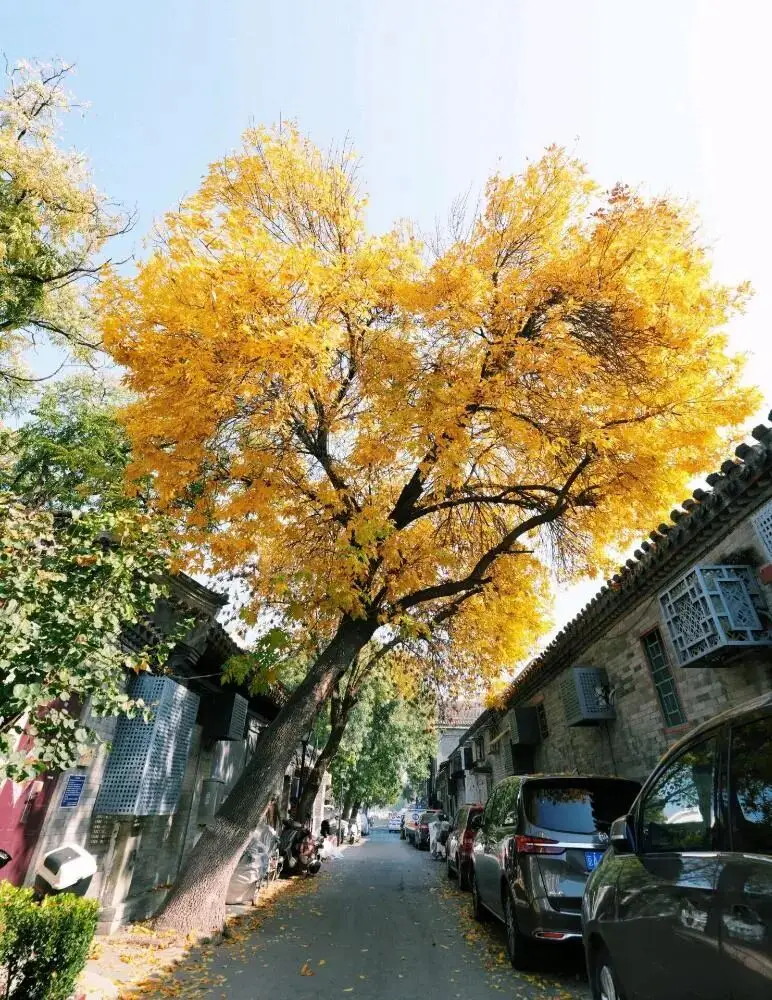
Those side alleys — Maoer Hutong, Yuer Hutong, Banchang Hutong, Juer Hutong, and four others — are where the neighbourhood truly lives. They are quieter and more architecturally intact than the main street. Maoer Hutong preserves some of the finest Qing-era gate architecture in the city. Carved drum-stones, layered eave brackets, and courtyard walls worn to old pewter are all here.
What to Do at Nanluoguxiang
Turn off the main street within five minutes of entering. Pick any of the eight side alleys and walk its full length. Some gates still have cylindrical drum-stone door piers indicating a former military household; others have square-based versions marking a civil official. In effect, you are reading a 300-year-old address book.
3. Wudaoying Hutong (五道营胡同): Best Hutong for Independent Shops and Craft Beer
📍 Quick info: Nearest subway: Yonghegong (Lines 2 & 5, 5-min walk) · Best for: independent shops, craft beer, creative culture · Recommended time: 2 hours · Best time: weekend afternoons 4–8pm
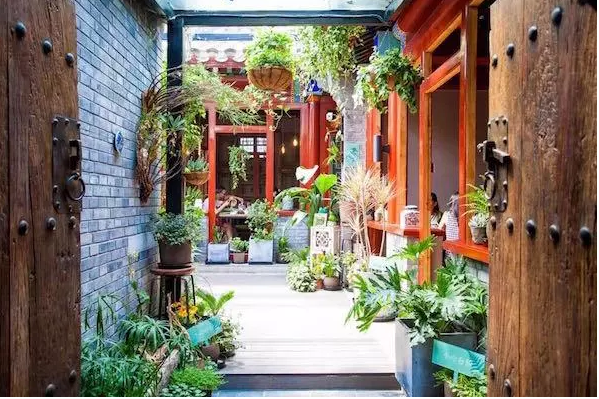
Wudaoying runs east from the Yonghegong Lama Temple for about 800 metres. Over the past decade, it has become the go-to hutong for independent design shops, good coffee, and craft beer. The ivy-covered brick walls come without the tourist-zone intensity of Nanluoguxiang.
The hutong was a Qing-dynasty military garrison district. As a result, its relatively wide, straight alignment reflects that martial origin. What fills it today is more bohemian: independent leather workshops, pressed botanical print studios, Jing-A Taproom (one of Beijing’s original craft beer bars), and a late-Qing St Michael’s Church hidden behind a courtyard wall so inconspicuous that most visitors walk past without noticing it.
What to Do at Wudaoying
Walk the full length once to get your bearings, then double back to what caught your eye. The western end, closer to Yonghegong, tends to be quieter and more residential. On weekend afternoons, moreover, independent designers set up along the ivy-covered walls — leather goods, pressed plant prints, vintage pins. It is one of the best spots in Beijing for genuinely handmade souvenirs.
4. Guozijian Street (国子监街): Best Hutong for Imperial History and Architecture
📍 Quick info: Nearest subway: Yonghegong (Lines 2 & 5, 8-min walk) · Best for: imperial history, Confucius Temple, scholar tree blossoms · Recommended time: 2.5 hours · Entry fee: Confucius Temple ¥30
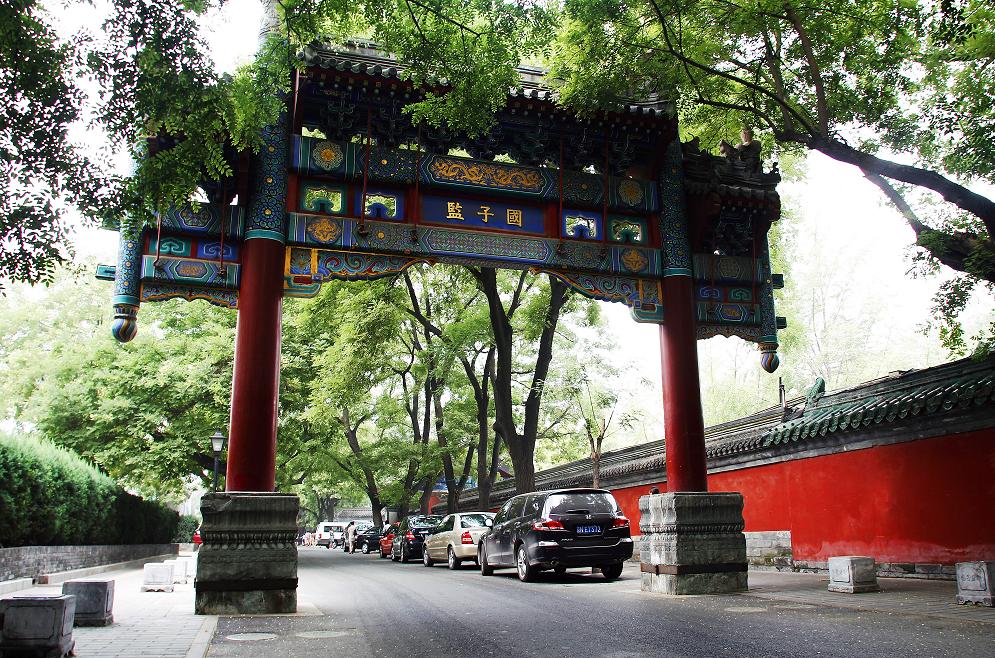
Guozijian Street is the only hutong in Beijing named for an imperial institution — the Guozijian, or Imperial Academy, which served as China’s highest seat of learning from the Yuan Dynasty through the end of the Qing. It is also one of the few hutongs that retains the physical markers of its original purpose. Four stone pailou gateways still mark the entrances, with inscriptions warning that even officials had to dismount from their horses before proceeding.
The street is notably wide and straight, with a double row of scholar trees (槐树, huái shù) whose canopy closes overhead in summer. The Confucius Temple (孔庙) and the Imperial Academy Museum[1] (国子监博物館) sit side by side along the southern edge. Furthermore, the stone steles in the Confucius Temple courtyard record the names of every successful civil service examination candidates — hundreds of thousands of names carved across seven centuries. The Confucius Temple Beijing website has full visitor information, including opening hours and ticket prices.
What to Do at Guozijian Street
Allow at least two hours for the Confucius Temple and Imperial Academy. Outside the heritage sites, the residential sections preserve some of the most intact Ming and Qing gate architecture in the inner city. Therefore, take time to look for the layered eave brackets, carved threshold stones, and screen walls (影壁, yǐngbì) visible through open gates.
5. Yangmeizhu Xiejie (杨梅竹斜街): Best Hutong for Books and Creative Culture
📍 Quick info: Nearest subway: Qianmen (Line 2, 10-min walk) · Best for: books, creative culture, street murals · Recommended time: 1.5 hours · Best time: Sunday afternoons 3–7pm (cultural fair)
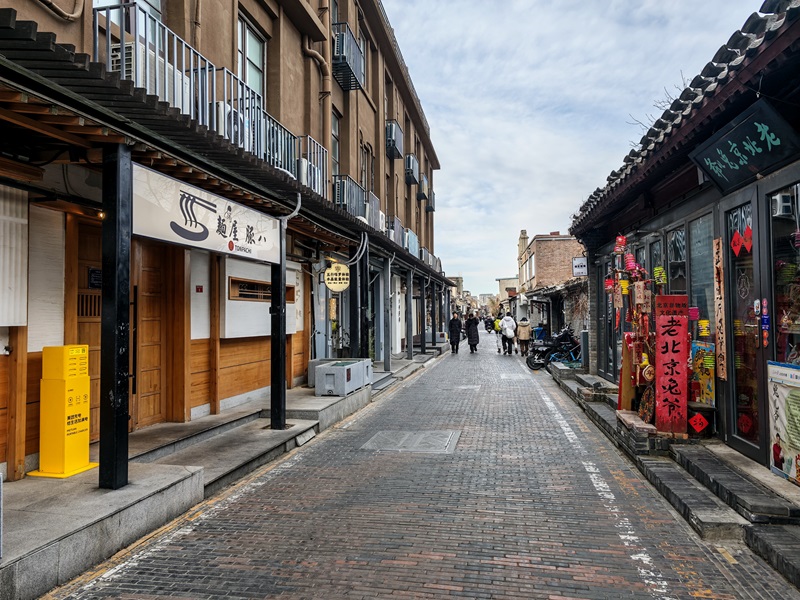
Yangmeizhu Xiejie runs diagonally — xiejie means “slanted street” — from the eastern end of Liulichang to the Dashilar area near Qianmen. In the Qing dynasty, this was Beijing’s “book lane”: lined with publishers, examination booksellers, and the writers who used them. That literary character survives today in altered form. Yangmeizhu now hosts Modernbook Bookstore, several design studios, and a cultural life that runs on weekend fairs rather than tourist foot traffic.
The hutong’s brick walls carry murals from a neighbourhood renewal project — geometric abstractions against grey brickwork. As a result, Yangmeizhu is one of the most photographed hutong streets in Beijing — without ever feeling designed for photography. Additionally, the hutong is a five-minute walk from Liulichang (琉璃厂), Beijing’s historic street of ink, brushes, and antique books — making the two a natural half-day itinerary.
What to Do at Yangmeizhu Xiejie
Browse Modernbook Bookstore (莫迪书店) — small and well-curated, with an English section. On Sunday afternoons from roughly 3–7pm, the street hosts a small cultural fair with woodblock print cards, illustrated postcards, and handmade candles. In short, it is the best hutong in Beijing for cultural browsing at a relaxed pace.
6. Dongjiaomin Xiang (东交民巷): Best Hutong for Architectural Curiosity
📍 Quick info: Nearest subway: Qianmen (Line 2, 5-min walk) · Best for: colonial-era architecture, quiet walking · Recommended time: 45 mins–1 hour · Best time: any weekday morning
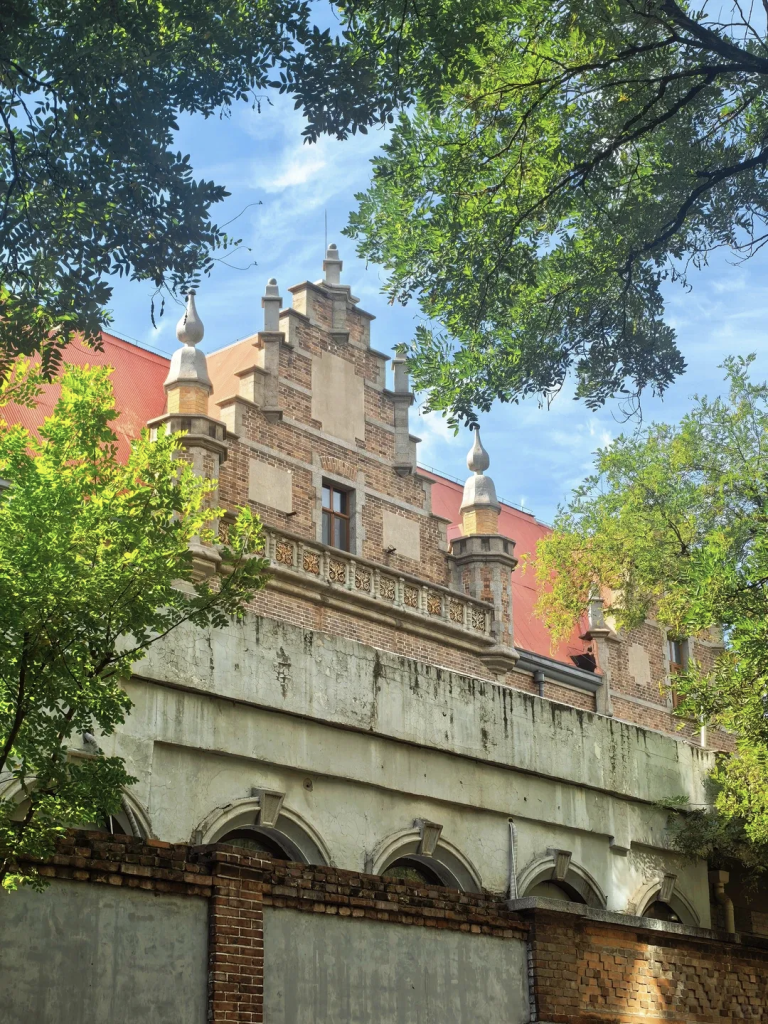
Dongjiaomin Xiang is the longest hutong in Beijing — 1.6 kilometres end to end — and the most architecturally unusual. From the late Qing dynasty through the Republican era, this was Beijing’s foreign legation quarter. The 1900 Boxer Uprising siege of the legations took place along this street. Consequently, the buildings constructed afterwards were built in the European styles of their home countries.
What remains is a 1.6-kilometre walk through an accidental architectural museum: red-brick Neo-Gothic churches, French Beaux-Arts bank facades, and colonnaded legation buildings with shuttered windows. None of it looks remotely like Beijing. Nevertheless, all of it is in Beijing. The buildings now house courts and government offices, and the street is quiet enough to walk end to end without passing another tourist.
What to Do at Dongjiaomin Xiang
Walk the full length — about 25 minutes at an unhurried pace — from the Qianmen end to Chang’an Avenue. Look for the Former French Legation building with its colonnaded courtyard, the Former Yokohama Specie Bank (now a legation quarter museum), and St. Michael’s Church with its twin Gothic spires. In addition, read the historical markers: several cover the 1900 events in detail that no general guidebook includes. The Beijing Legation Quarter article provides useful historical background before you visit.
Frequently Asked Questions
What are the best hutongs in Beijing?
The six most rewarding hutong neighbourhoods are Shichahai (lakeside atmosphere), Nanluoguxiang’s side alleys (Yuan-dynasty grid), Wudaoying Hutong (independent shops and craft beer), Guozijian Street (imperial history), Yangmeizhu Xiejie (books and creative culture), and Dongjiaomin Xiang (colonial-era architecture). Each suits a different kind of traveller and a different kind of visit.
Which hutong in Beijing is the most famous?
Nanluoguxiang is the most visited hutong in Beijing. For a quieter experience with equally interesting architecture, however, the eight side alleys off Nanluoguxiang — especially Maoer Hutong — offer the same Yuan-dynasty grid without the main street crowds.
Is Shichahai a hutong neighbourhood?
Shichahai refers to the three-lake district in Xicheng. The hutong neighbourhood surrounding the lakes — including Yandai Xiejie and the residential lanes to the north and east — is one of Beijing’s oldest and most atmospheric hutong areas. It is therefore one of the best hutongs in Beijing for a first visit.
How long does it take to visit a hutong neighbourhood in Beijing?
A focused walk through a single hutong neighbourhood takes 1–2 hours. Shichahai and Nanluoguxiang reward half-day visits if you include the side alleys. Dongjiaomin Xiang can be walked end-to-end in 25 minutes, though the architecture warrants a slower pace.
Are Beijing’s hutong neighbourhoods safe for tourists?
Yes. Beijing’s hutong areas are among the safest neighbourhoods in the city for walking. The main hazard is electric scooters moving quietly through narrow lanes — step to the side when you hear one behind you.
What is the best time of year to visit Beijing’s hutongs?
Spring (April–May) and autumn (September–October) offer the best weather and most striking scenery. Spring brings locust and scholar tree blossoms to Guozijian Street; autumn turns the plane trees of Dongjiaomin Xiang golden. For a full seasonal guide, see our article on Best Time to Visit Beijing Hutongs.
Planning a hutong visit? Whether you need a personalised itinerary, local recommendations, or help arranging your Beijing trip, we’d love to hear from you. Email us at hello@jollyeast.com and we’ll get back to you within 24 hours.
Sources